
SpaceX, founded by entrepreneur Elon Musk, has become one of the most important companies in modern spaceflight. Its focus on lowering launch costs and reusing rockets has changed how missions are planned and funded. From reusable boosters to the large Starlink satellite network, SpaceX affects not only space missions but also how people connect to the internet on Earth.
Key Takeaways
SpaceX has pushed space travel to become more efficient and less expensive, setting new standards for the whole industry.
Rockets like Falcon 9 and Falcon Heavy, and spacecraft such as Dragon and Starship, are major steps forward in launch and mission technology.
The Starlink project is helping bring faster internet to many regions, and this can support education, business, and communication in remote places.
By working with regulators and governments, SpaceX is helping shape the rules that will guide future space companies.
SpaceX’s projects, including Starlink and work on cleaner technologies, are influencing how people think about the environment and space, and are inspiring many young people to learn about science and engineering.
Pioneering Technological Innovation in Aerospace
Revamping the Fundamentals of Space Travel
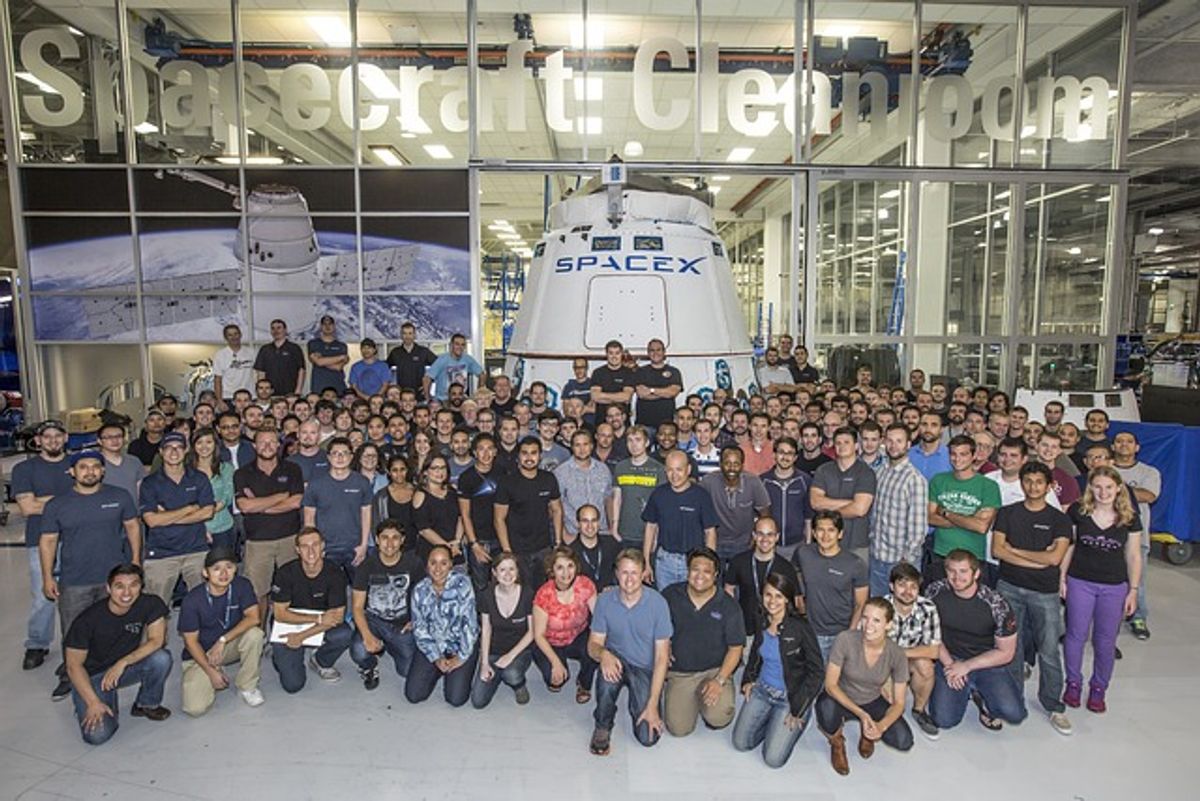
SpaceX has helped change the basic ideas behind space travel. Instead of treating rockets as single‑use hardware, the company designs many parts to be recovered and flown again. It also supports flights for many different types of spacecraft, from large satellites to very small payloads.
The company’s work is not only about building new rockets. It also looks at the full mission flow, from launch to landing and reuse. This includes improvements in engines, guidance and navigation, and systems that keep crews and equipment safe during long flights in space.
SpaceX’s approach is to question old habits in the launch business and to look for simpler, faster, and more repeatable ways to reach orbit.
Some of the main areas SpaceX has focused on include:
Designing stronger heat shields and better life‑support systems for longer missions.
Building rocket engines and stages that can land and be prepared for another flight.
Planning for future missions where onboard computers and artificial intelligence assist more of the flight.
Setting New Industry Standards
SpaceX has helped make ideas like reusability and frequent launches normal expectations instead of rare events. Its work has shown that boosters can land on land or on ships at sea and fly again, cutting the cost per launch over time. This has also encouraged other companies and space agencies to invest more in similar technologies.
Examples of new standards SpaceX has helped popularize include:
Regular reuse of first‑stage rocket boosters.
Frequent launch schedules with short gaps between missions.
Privately operated crew missions to orbit.
Autonomous landings on drone ships instead of only on fixed ground pads.
These changes have helped move spaceflight from rare, special events toward more routine operations, which is important for long‑term exploration plans.
The Backbone of Starlink’s Efficient Operation
SpaceX’s launch systems are a key reason Starlink can grow quickly. Reusable rockets allow many batches of satellites to reach orbit without building a brand‑new booster for every flight. This lowers cost and makes it easier to add or replace satellites as needed.
The Starlink satellites are designed to work closely with ground stations and user terminals, aiming to offer lower delay and more stable connections than many older satellite internet services.
The Starlink network is being built in phases, such as:
Phase 1: Launching enough satellites to form the first working network shell.
Phase 2: Adding more satellites to strengthen coverage and increase capacity.
Phase 3: Upgrading satellites and ground equipment over time to keep improving speed and reliability.
The goal is to create a system that can compete with ground‑based internet in many areas, especially where fiber or cable connections are hard to install.
Exploring the Low Earth Orbit (LEO) Satellite Constellations
Democratizing Access to Space
SpaceX offers “rideshare” launch options where many small satellites share space on the same rocket. This has helped more governments, companies, universities, and non‑profits gain access to orbit at lower cost than booking a full rocket alone.
The program benefits different groups in ways such as:
Government and defense: Wider choice of launch dates and lower costs for certain missions.
Commercial operators: Easier access for communication, imaging, and research satellites.
Universities: More chances to fly small research payloads for training and experiments.
Non‑profits: Options to launch satellites for climate, disaster, or environmental monitoring.
By lowering barriers for smaller payloads, rideshare missions support growth in many new space businesses and research projects.
Fostering Innovation and Collaboration
SpaceX often works with other companies on communication, ground systems, and services that use space‑based data. This kind of cooperation helps spread new ideas and lowers risk for each partner, because they can share knowledge and infrastructure instead of doing everything alone.
Shared work on satellites, antennas, and ground stations encourages more players to join the space sector and speeds up development cycles.
Examples of collaboration areas include:
Area of Collaboration | Description |
|---|---|
Universal Internet Access | Using satellite links to reach remote regions. |
Technological Development | Co‑development of satellite hardware and software. |
Infrastructure Expansion | Building and operating shared ground station networks. |
Enhancing Global Connectivity
Starlink aims to reduce gaps in internet access by serving rural, island, and other hard‑to‑reach areas. In places where cables are too expensive or slow to install, satellite internet can become a practical alternative.
Improved access to online tools can support remote learning, telemedicine, local businesses, and emergency services in communities that have had limited connectivity.
Questions often raised about this kind of global network include:
How will access to faster internet change daily life in isolated communities?
What role will satellite links play in future global networks alongside fiber and mobile systems?
How should operators handle issues such as light pollution, debris, and use of radio spectrum?
Advancements Made by SpaceX
The Falcon 9 and Heavy Rockets
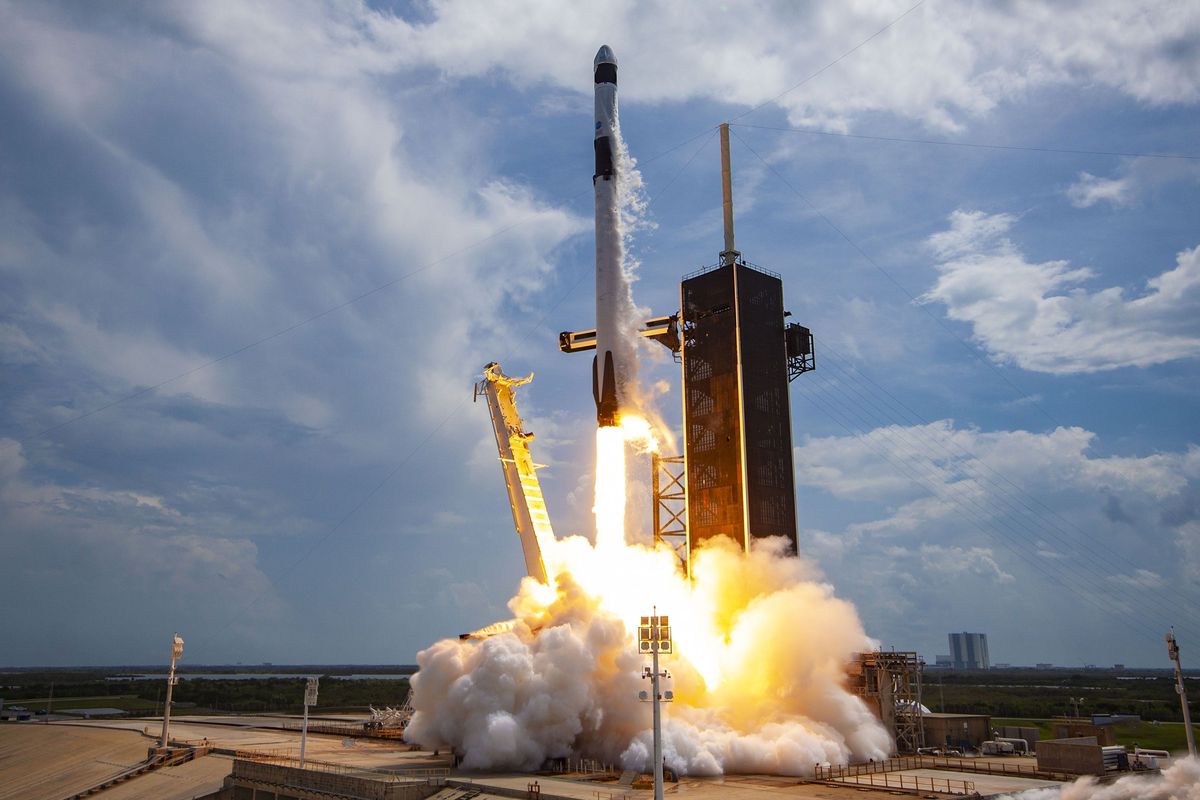
Falcon 9 has become a workhorse rocket for many types of missions, from cargo and crew flights to satellite launches. Its reusable first stage lands after launch and can be flown again after inspections and refurbishment.
Falcon Heavy uses a structure based on three Falcon 9 cores joined together, allowing it to carry much heavier payloads than a single core. Its early flights drew wide attention and showed that heavy‑lift missions can also use reusable elements.
Together, these rockets have shown that reuse and high launch cadence can be combined with missions ranging from low Earth orbit to more distant destinations.
Example track record summary:
Rocket Type | Total Launches | Full Successes | Partial Successes | Failures |
|---|---|---|---|---|
Falcon 9 | 300+ (illustrative) | Large majority | Very few | Very few |
Falcon Heavy | Multiple | All to date | 0 | 0 |
The Dragon and Starship Spacecraft
The Dragon spacecraft family was designed to carry cargo and later crew to orbit. Crew flights to the International Space Station marked a return to launching astronauts from US soil on a commercially built vehicle. Cargo versions continue to move supplies and experiments.
Starship is intended as a fully reusable system for many roles, including satellite launches, deep‑space missions, and possible future flights to the Moon and Mars. It uses high‑performance engines and is being tested in steps, with early flights focused on proving key parts of the design.
Dragon has already supported regular missions in Earth orbit, while Starship represents the next step toward larger and longer‑range flights.
Selected milestones:
Spacecraft | First Flight | Example Milestone |
|---|---|---|
Dragon (cargo) | 2010 | First commercial cargo visits to the ISS |
Crew Dragon | Late 2010s | First crewed orbital mission for a commercial spacecraft |
Starship (prototype) | 2019 | Early test flights of upper stage and engines |
Rideshare Program and Cost‑effective Access
The rideshare launch program allows many customers to share one mission, paying only for the space and mass they use. This model helps new and smaller organizations send hardware to orbit without arranging a full dedicated launch.
Typical features include:
Published launch dates and standard pricing for common payload sizes.
Shared integration processes to simplify payload preparation.
Coordinated handling of paperwork and approvals.
By grouping payloads, the program makes better use of each flight and reduces cost per satellite, supporting more experiments and commercial services.
Impact on Space Exploration
Introduction of New Launch Systems
New launch systems built around reuse, high thrust, and flexible mission profiles have made it easier to support many types of missions, from resupply of the space station to planetary probes. This shift helps more organizations plan complex missions that might have been too expensive in the past.
A focus on repeatable, reliable launches with lower cost per flight is a key driver for long‑term exploration plans.
Navigating Regulatory Hurdles
Operating many launches and large satellite constellations means working closely with aviation authorities, communications agencies, and international bodies. SpaceX must obtain and update licenses, share information about launch and reentry paths, and coordinate use of radio frequencies.
Following rules for safe launch and reentry corridors.
Coordinating with telecom regulators about spectrum use.
Adjusting plans as new guidelines for constellations and debris are created.
Learning to match fast‑moving technical plans with careful regulatory reviews has become a core part of running large space programs.
Setting Precedents for Future Space‑based Ventures
By carrying out regular missions under modern rules, SpaceX is helping show how private companies and public agencies can share responsibilities in space. This experience can guide future projects in areas such as tourism, in‑orbit services, and long‑duration habitats.
The more examples regulators and companies have, the easier it becomes to design fair and predictable rules for new types of missions.
Interest in private missions, commercial space stations, and future passenger flights builds on the idea that repeatable, reliable launches and capsules are now possible, not just experimental.
Societal and Environmental Impacts
Inspiring a New Generation of Space Enthusiasts
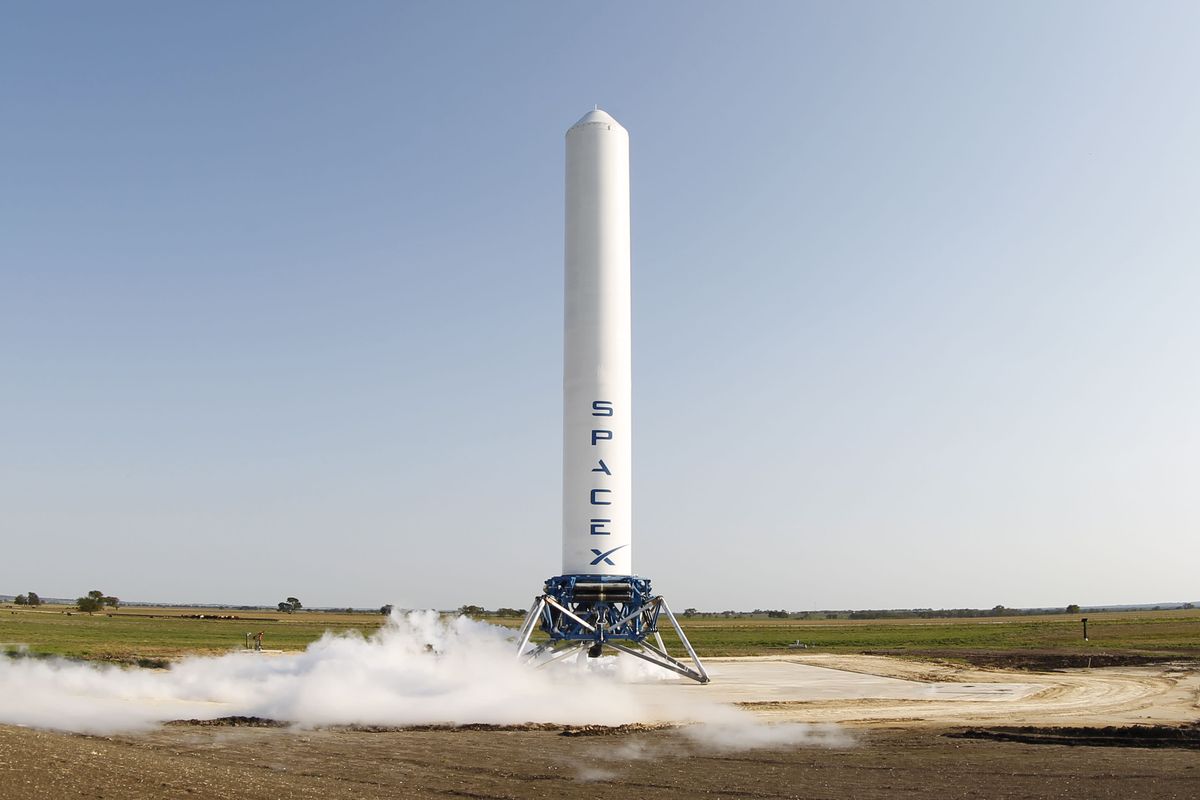
Live launch broadcasts, frequent missions, and open sharing of test results have made many people feel closer to spaceflight than in earlier eras. Students and hobbyists follow missions, build small rockets and satellites, and consider careers in related fields.
Millions watch launches and landings online.
Schools and clubs use current missions as teaching examples.
Young people see engineers and astronauts as accessible role models.
This broad interest supports a larger talent pool for the next decades of space projects.
Contributing to Environmental Discussions
SpaceX has discussed ideas such as using captured carbon for fuel and designing systems that can be reused many times instead of thrown away. These concepts are part of a wider effort in industry to reduce waste and explore lower‑impact energy sources.
Space projects now often include questions about emissions, debris, and long‑term sustainability alongside technical goals.
Examples of focus areas include:
Initiative | Description |
|---|---|
Reusability | Using the same hardware for many launches to reduce manufacturing waste. |
Fuel Research | Exploring options for more efficient engines and possible future fuel sources. |
The Social and Economic Effects of Starlink
By offering satellite internet, Starlink can help small businesses, schools, clinics, and households in areas where other options are slow or missing. Better connectivity can support remote jobs, online learning, telehealth, and access to markets and information.
When more people can go online reliably, they gain more ways to earn income, learn skills, and stay informed about events in the wider world.
Conclusion
SpaceX has played a major role in changing how space missions are launched, how often they occur, and who can take part in them. Its rockets and spacecraft have pushed technology forward, while Starlink has begun to change how internet service can be delivered. Together, these efforts have helped make space more open to many new users and have sparked fresh interest in science and engineering.
As the company continues to test new vehicles, expand satellite networks, and work with regulators, its choices will influence how the next generation of space projects is built and managed. The story of SpaceX is still unfolding, but it has already reshaped expectations of what private spaceflight can achieve.
Frequently Asked Questions
What is SpaceX’s main contribution to space travel?
SpaceX has made launches more frequent and less expensive by focusing on reusable rockets and modern spacecraft, helping more missions reach orbit.
How does Starlink change internet access?
Starlink uses many satellites in low Earth orbit to offer high‑speed connections, especially in places where traditional internet lines are hard to install.
Which rockets are most associated with SpaceX?
Falcon 9 is the main workhorse rocket, Falcon Heavy can lift heavier payloads, and Starship is being developed for larger and longer‑range missions.
What is the rideshare program?
The rideshare program lets many small satellites share space on a single launch, lowering the cost for each customer.
How is SpaceX influencing the next generation?
Frequent, public missions and visible progress have inspired many students and young professionals to study science, engineering, and space‑related fields.
What challenges does SpaceX still face?
SpaceX continues to work on technical issues like fully reusing large vehicles, managing large satellite constellations, and meeting evolving safety and regulatory rules.
Post a Comment